SOCIAL WORKER
COMMUNITY HEALTH WORKER
PSYCHOLOGIST
Substance Use Counselor
Psychiatrist
Case Manager
FAMILY THERAPIST
NURSE
Psychiatric Technician
SOCIAL WORKER
COMMUNITY HEALTH WORKER
PSYCHOLOGIST
Substance Use Counselor
Psychiatrist
Case Manager
FAMILY THERAPIST
NURSE
Psychiatric Technician
Worthwhile work is community-driven, flexible, and purpose-filled. Start your career at the LA County Department of Mental Health.
Unboring work is community driven, flexible, and purpose filled. Start your career at the LA County Department of Mental Health.
Public mental health careers offer a path that’s not only personally rewarding, but also a place you can really grow. These careers are all about understanding feelings and emotions, and helping people, families and communities through tough times. And public mental health is deeply rooted in communities and neighborhoods, helping those who need it most. These roles need critical thinking, deep empathy, and elite problem-solving skills. Those who are drawn to this work know it’s worthwhile because it’s the care the world really needs right now.
Take this quiz to find a public mental health career that fits your vibe, strengths, and goals.
These jobs are purpose driven, but they’re also exciting and flexible! You’ll do inspiring work, and never know what your day will look like.
These jobs work out in the community giving back — not behind a desk. (But we have jobs behind desks, too.)
These jobs offer stability and fair pay. There are licensed and unlicensed positions, and even work you can do right out of high school.
These jobs are heart- and soul-fulfilling, and they really do help make the world better for so many people.
Works directly in the community as a team member with shared community/lived experience, supporting outreach and finding care for mental & social services.
Diagnoses and treats mental health conditions using therapy, medication, and long-term care.
Treats individuals, couples, and families, with a focus on improving communication, managing conflict and building healthier relationships.
Supports people working to recover from addiction through counseling, guidance, and practical tools to help them stay on track.
Works directly in the community as a team member with shared community/lived experience, supporting outreach and finding care for mental health & social services.
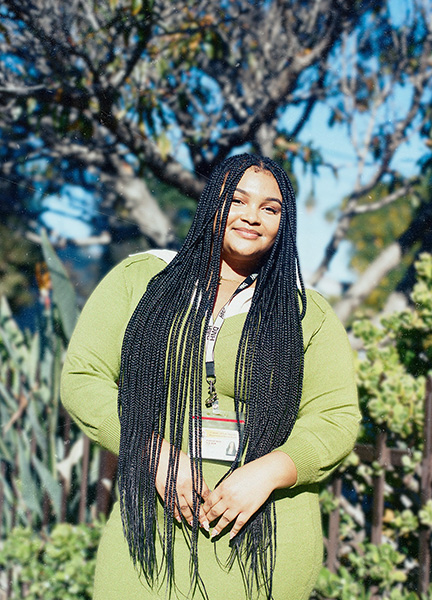
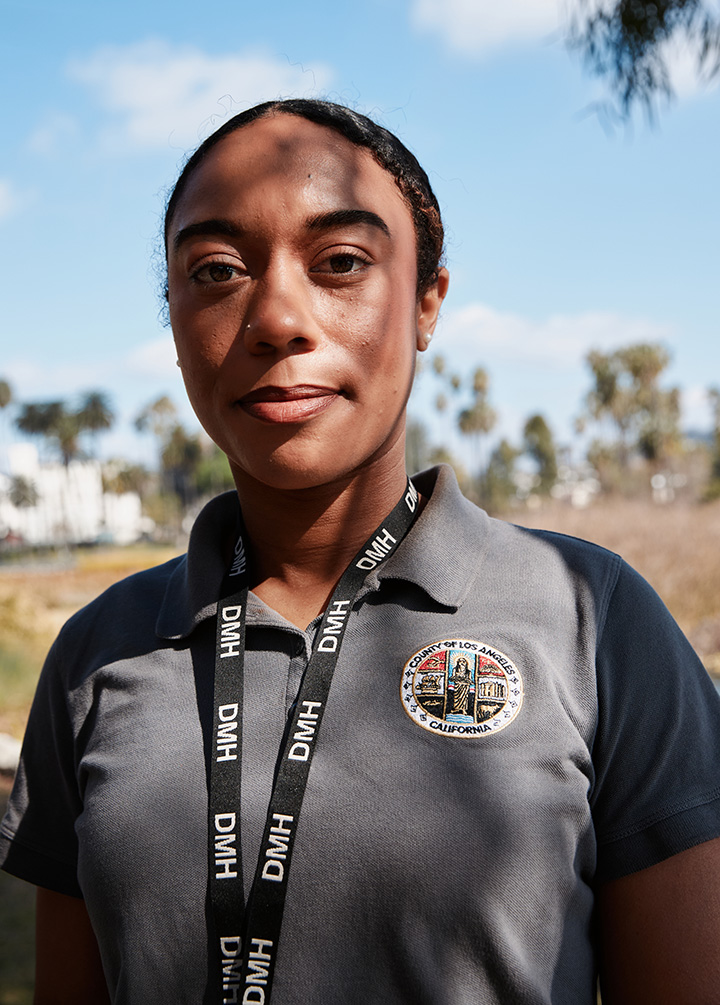
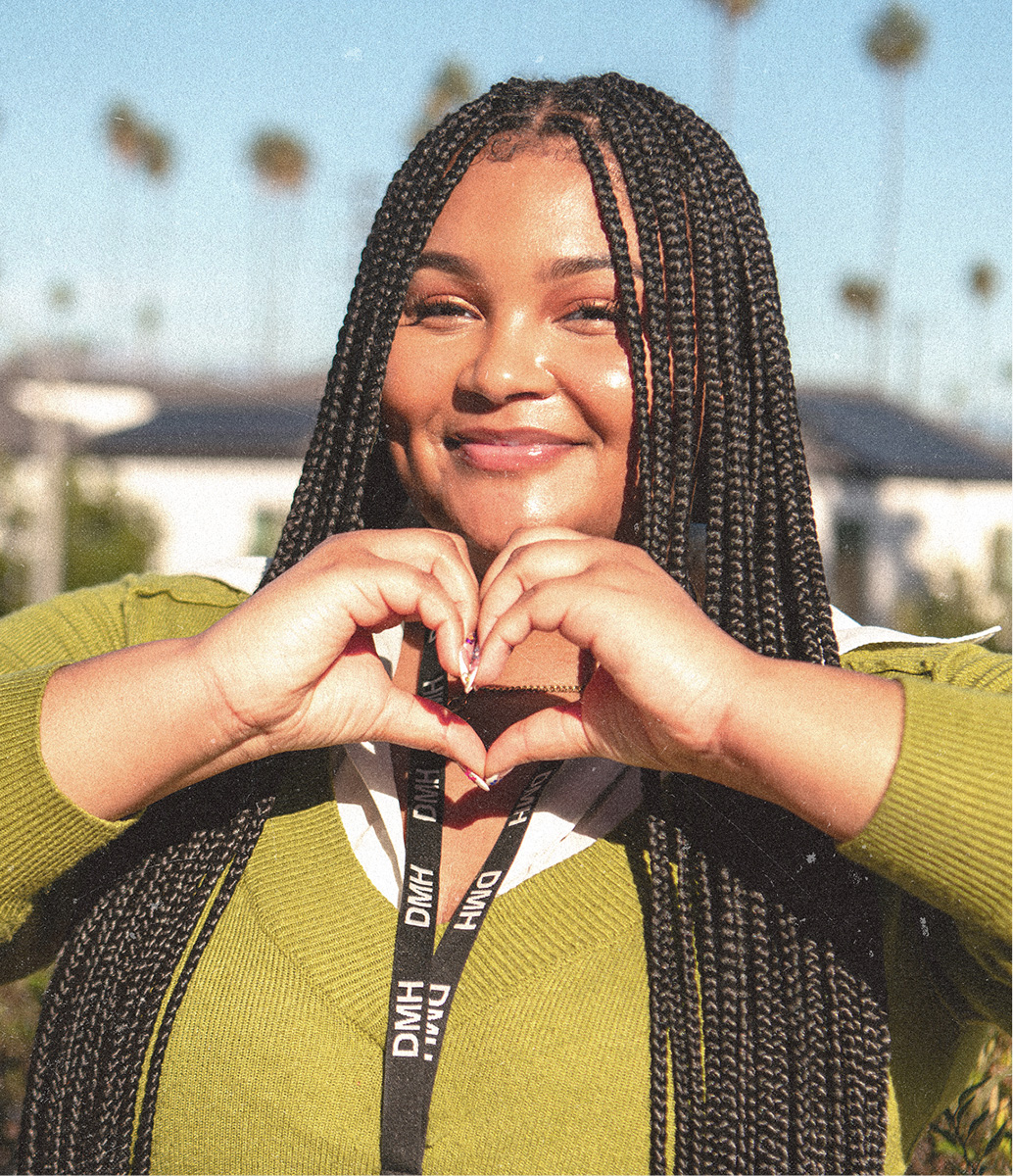
shenequa
medical case worker
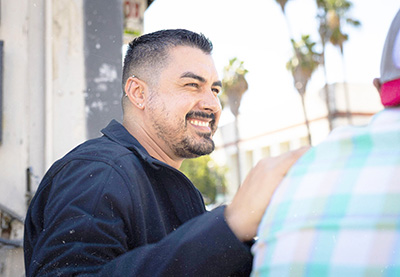
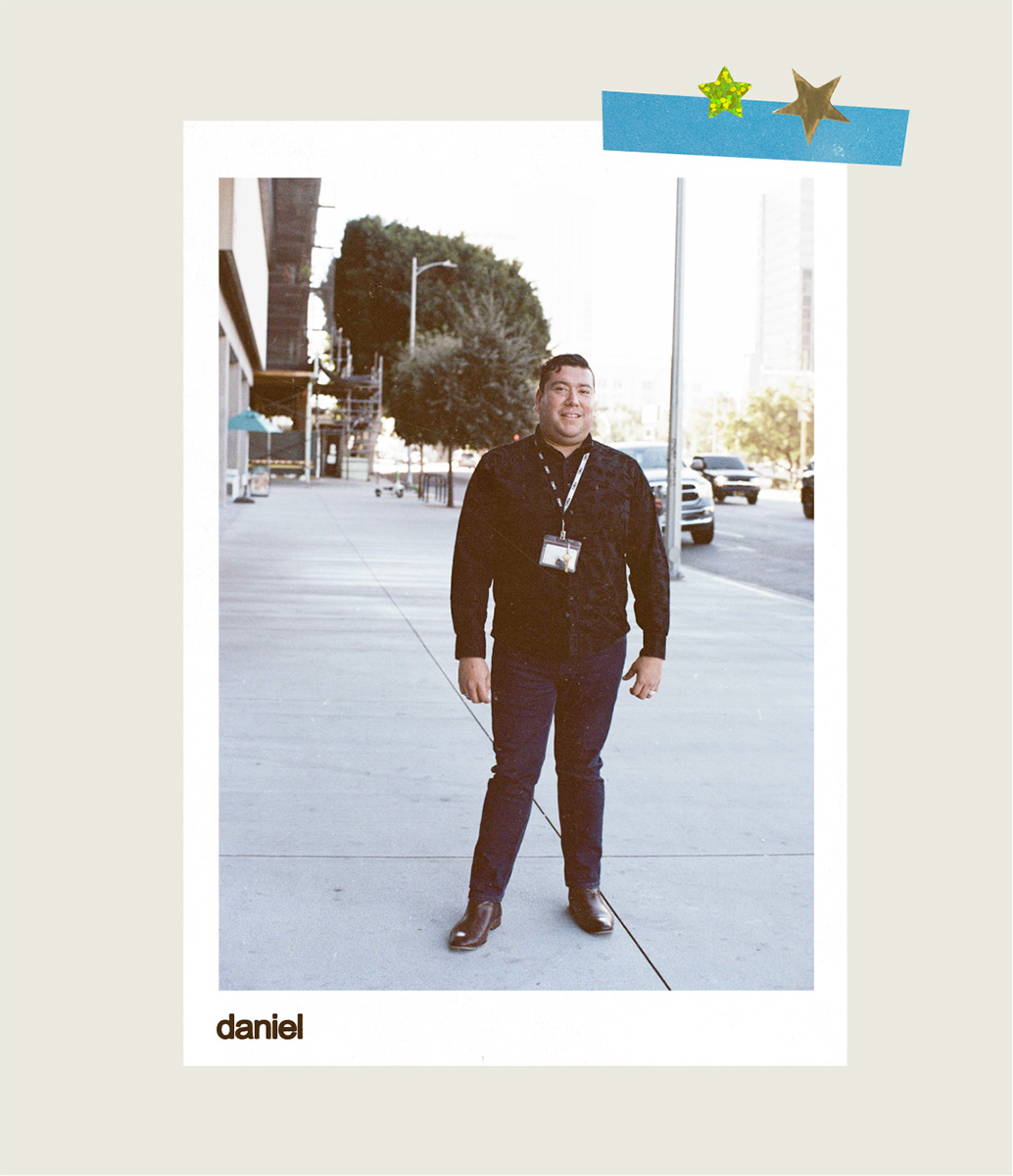
daniel
marriage and family therapist
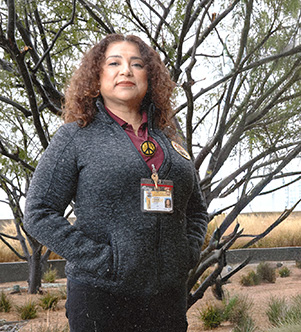
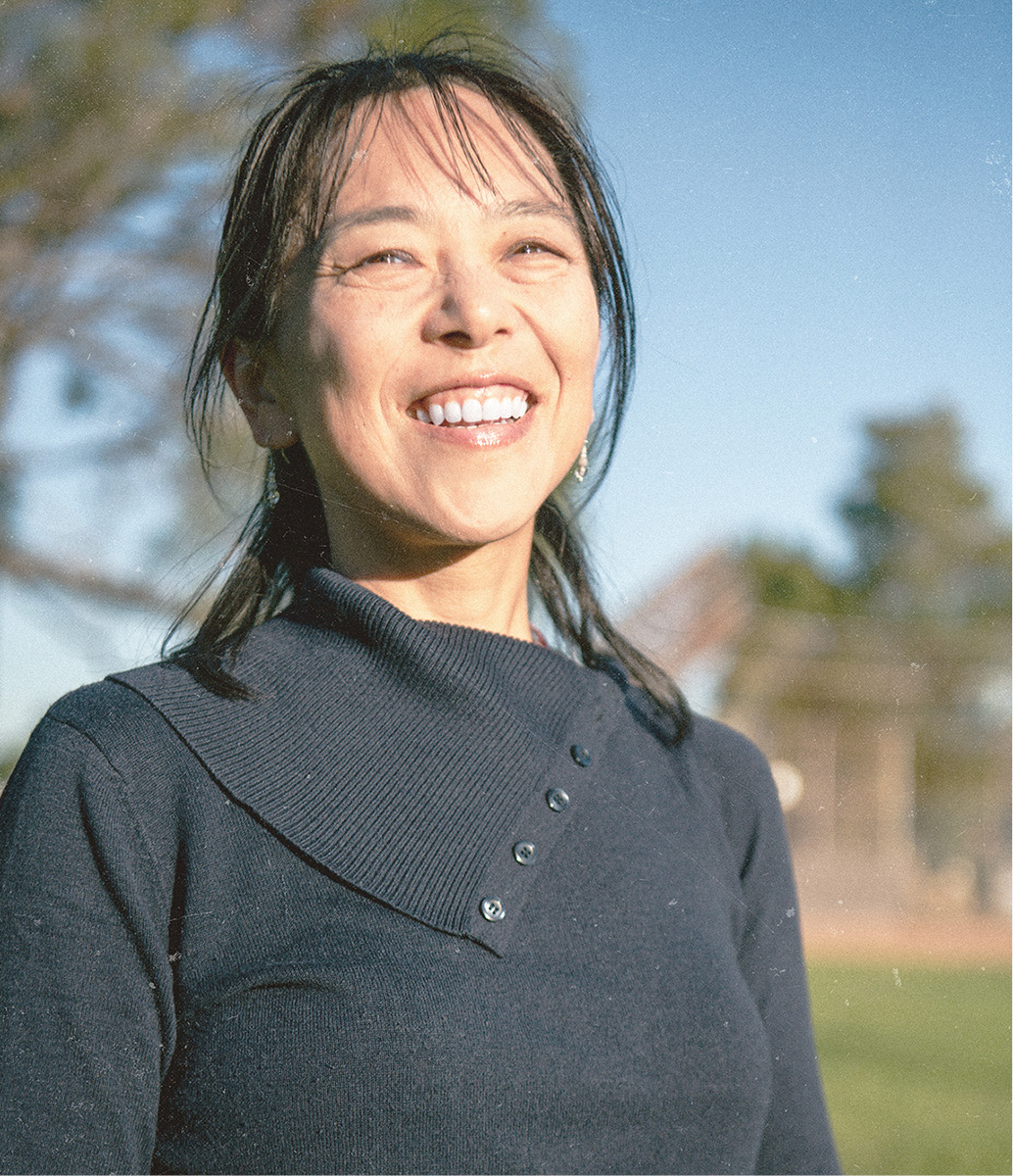
albina
social worker
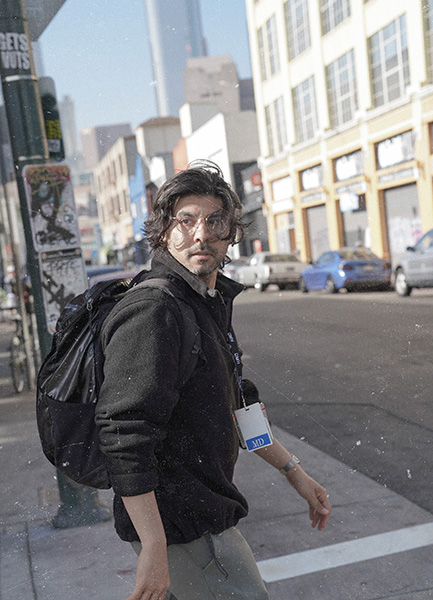
dr. rab
psychiatrist
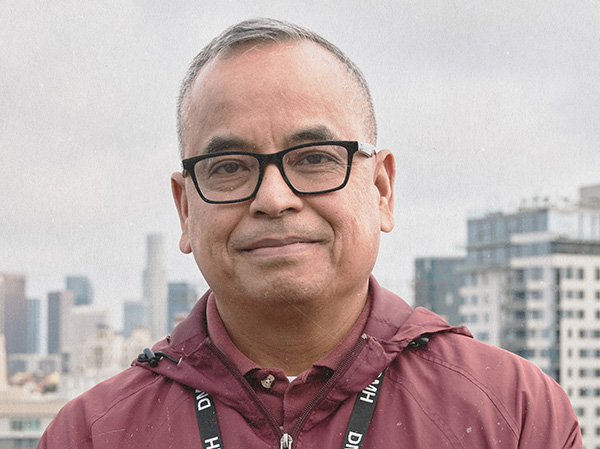
dr. yamaguchi
psychologist
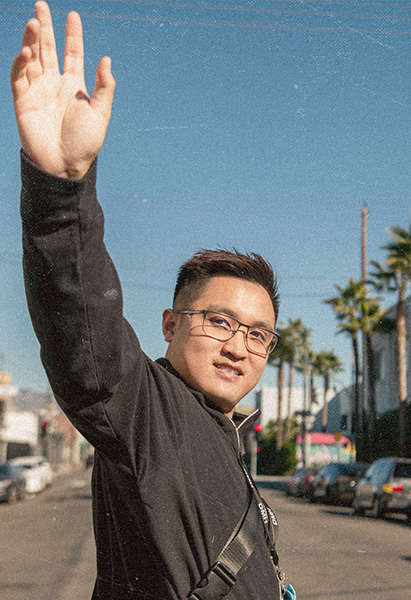
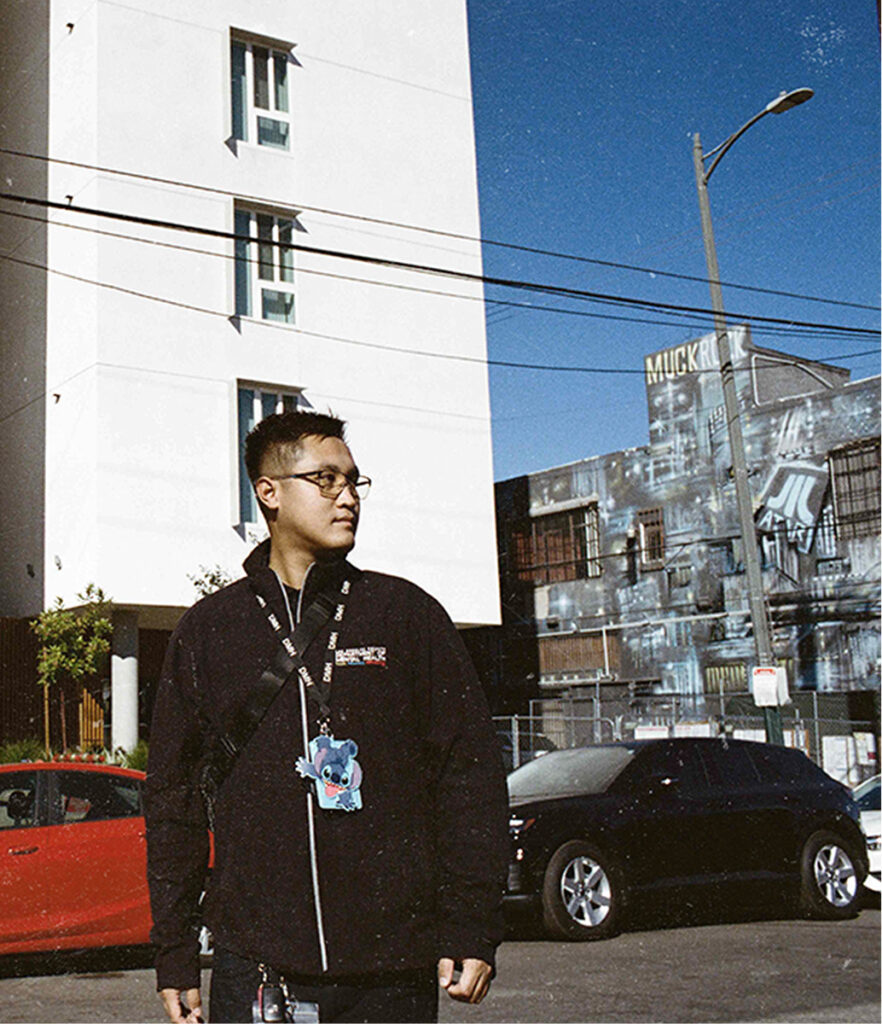
josh
medical case worker
Community Health Worker
1–2 years training
Starting at $48k
Substance Abuse Counselor
0–2 years education
Starting at $48k
Psychiatric Technician
2–4 years education
Starting at $52k
Case Manager
4 years education
Starting at $56k
Mental Health Nurse
4–6 years education
Starting at $111k
Marriage and Family Therapist
6–7 years education
Unlicensed: Starting at $76k
Licensed: Starting at $87k
Social Worker
6–7 years education
Unlicensed: Starting at $76k
Licensed: Starting at $87k
Marriage and Family Therapist
6–7 years education
Unlicensed: Starting at $76k
Licensed: Starting at $87k
Social Worker
6–7 years education
Unlicensed: Starting at $76k
Licensed: Starting at $87k
Psychologist
8–10 years education
Unlicensed: Starting at $84k
Licensed: Starting at $112k
Psychiatrist
10–12 years education
Starting at $266k
aleetia, social worker
Working for the Los Angeles County Department of Mental Health is steady, reliable work in a growing field. It’s also super inspiring, flexible, and exciting!
LACDMH also has a stipend program to support continuing education and training. Basically, we’re all in to keep people growing. (And with one application for the whole county, once you’re in — you’re in, and oh the places you can go!)
These days, we all know how important good health care is, and LACDMH has great benefits, including health insurance, paid time off, and school loan repayment.
LACDMH has entry level jobs and pathways for advancement all over LA County. Join us in helping uplift our communities!
(left) aleetia, social worker
Want to make a difference working with us? Talk to your school’s career counselor to express your interest and learn more about opportunities at the LA County Department of Mental Health for thriving careers focused on wellbeing for all.
What to expect:
As a public entity, the LA County Department of Mental Health’s hiring process is formal, structured, and considered. That means it will take a bit of time and effort — but we promise, it’s worth it.
albina, social worker
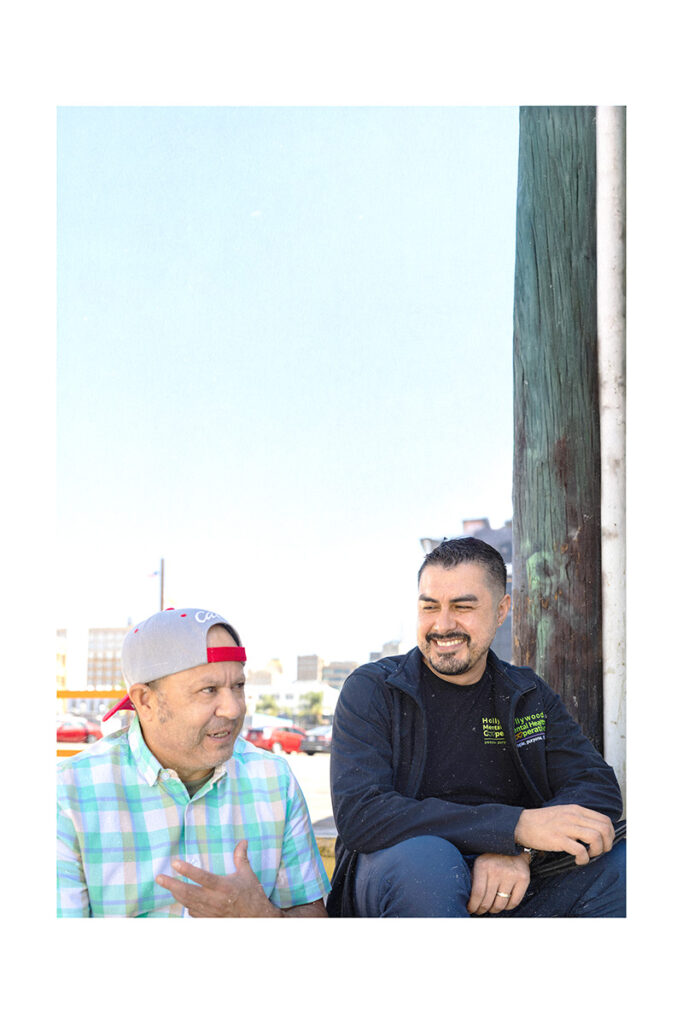
He works on a team that offers more than just addiction counseling, they provide housing, therapy, food and clothing — but most importantly, a listening ear that’s been there, and knows what it’s like. And it worked for him: “Once someone showed that they cared, it really made a difference.” Carlos was drawn to the holistic approach of this work, how it looks at both immediate needs and long-term goals when helping someone with recovery.
In California, you can start this job with a high school diploma or GED, plus some addiction-specific education (typically 9–12 college-level units).
These are the possible certifications: Certified Addiction Treatment Counselor (CATC) or Certified Alcohol and Drug Counselor (CADC).
Complete extensive ‘Supervised Practical’ hours” (often 2,080 to 4,000 hours!) and do Internship/Fieldwork with a supervisor.
LACDMH has full-service partnership (FSP) teams, integrated health centers, and contract residential treatment programs, working with clients who have co-occurring mental health and substance use disorders.
You can get your advanced certification/clinical license, if you pursue a master’s degree. Or you can also grow into leadership roles, and specializations galore.
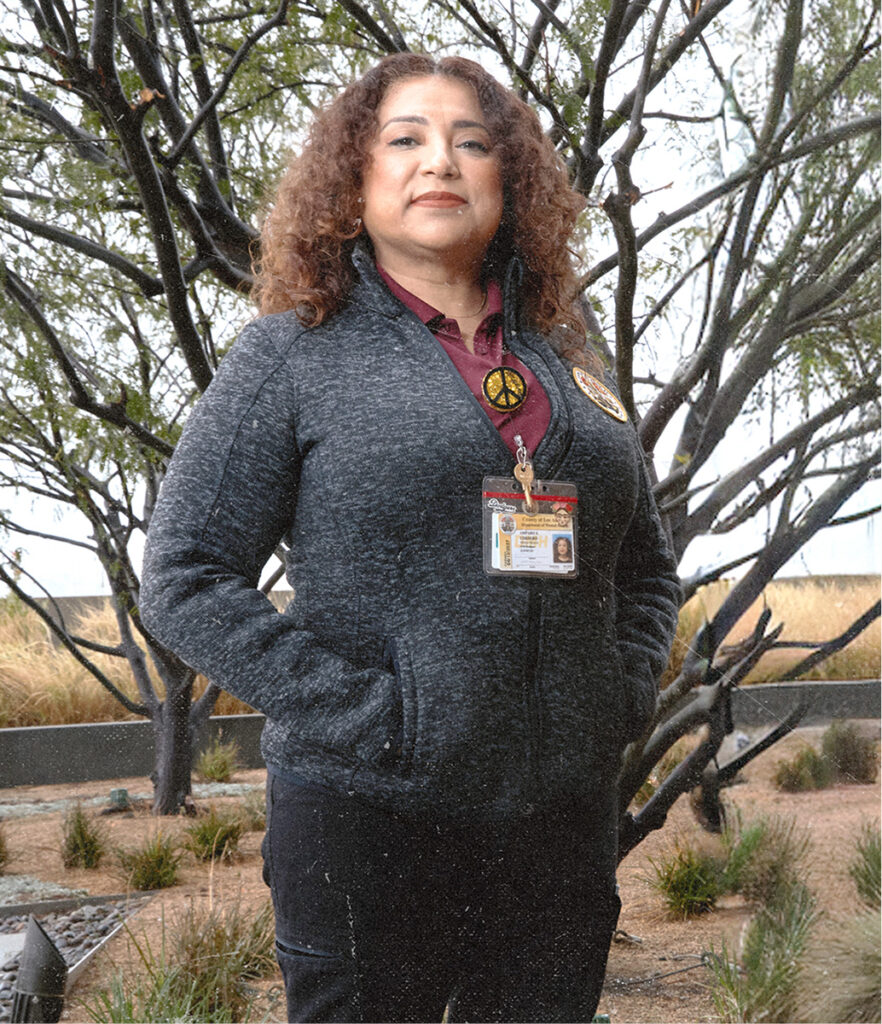
Cyndi likes the structure her job provides. She started her career in social work and non-profit housing during the pandemic, driven by her natural ability to connect with people and wanting to guide folks towards better lives. She views her role as providing essential support and reliability for people who often feel marginalized or unseen: “To see my clients through to the other side, when it comes to housing — it’s very rewarding.”
You have lived experience to share and want to give back to the community.
You could start mentoring or doing group work to build relational skills.
With a high school diploma and training, you can start working as a Mental Health Advocate or Community Health Worker.
You can work in hospitals or clinics: inpatient units, emergency rooms, or outpatient mental health centers. LACDMH also has several teams that help people in crisis moments with CHWs.
There are supervisor roles, training roles, and lots of folks who start out as a CHW continue on to licensed roles.
Drawn to high-intensity moments, she works on a mobile crisis team as the first empathetic point of contact. Her role is to de-escalate, meeting people with calm, care, and a simple question: “How can we help?” With a steady presence, she assesses needs and connects people to support when they need it most. “Even when they’re yelling, if I sit, listen, and show I care, we can usually calm things down.”
Consider finding some activities in high school that are people-focused and compassionate. Volunteering? Hands-on care?
Complete an accredited Psychiatric Technician program. Like a Psychiatric Technician Certificate (often 12–18 months), or an associate of Science (AS) in Psychiatric
All programs include mandatory clinical experience (Fieldwork/Internships) in settings like hospitals, psychiatric facilities, and developmental centers. This is where you learn practical skills under supervision.
Once you graduate, you must pass the state licensing exam to practice.
You can use your experience to move into supervisory or highly specialized roles, like forensic psychiatry, crisis stabilization, or substance abuse treatment. You can also use your degree and experience as a stepping stone to enroll in nursing programs.
He was the first in his family to receive a college degree in the US, and growing up, his family didn’t really talk about mental health. But Josh knew he wanted to help people. So he joined a crisis response team as a Community Health Worker. Now he’s a Medical Case Worker, taking on more responsibility, while in grad school earning his degree. He collaborates with a team to ensure clients receive the support they need: “We’re there to advocate for people and be present with them.”
Try classes like psychology or social sciences. Volunteer at school or in your community to practice problem-solving and people skills.
Earn a bachelor’s degree (BA or BS) in a human-services major (like Social Work, Psychology, Sociology, or Public Health).
Look for starter roles: Behavioral Health Tech, Intake Coordinator, Community Health Worker, or Peer Support Specialist.
Build skills in crisis screening, writing clear notes, creating care plans, and learning local resources (housing, food banks, transport, etc.).
Work on Full Service Partnership (FSP) teams, Homeless Outreach teams, and at general outpatient clinics at LACDMH supporting people through transitions.
Move into leadership, specialize in an area you love, or use case-management experience as a base for a master’s degree (MSW, MFT, etc.).
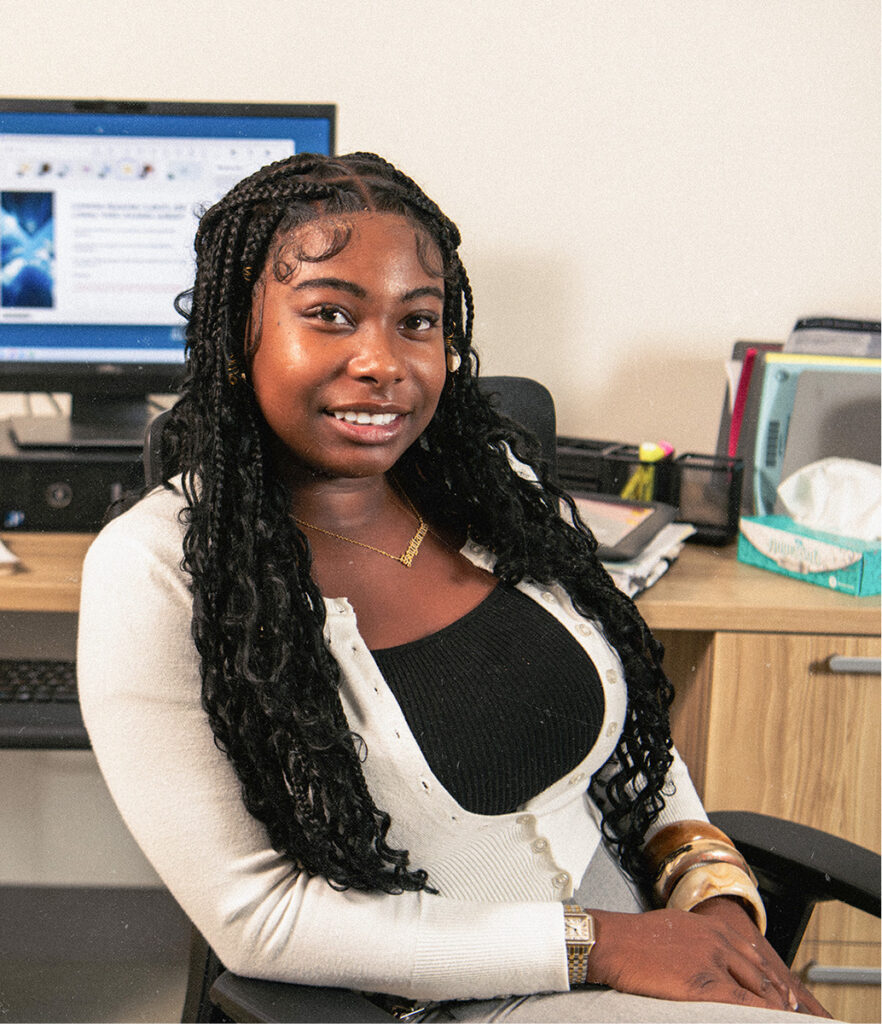
She was inspired to pursue this career after realizing she had a natural ability to listen and offer advice. “Just randomly, people always come up to me and just tell me their life story. I’m like, let me get paid for this!” She loves the flexibility of her master’s degree, allowing her to work in diverse settings. She hopes younger people will explore all the different ways they can be helpful in this world: “The only options aren’t just doctor, lawyer, athlete … right?”
Get a bachelor’s degree (BA or BS). Recommended major: Social Work (BSW) is the best. Other strong majors include Psychology, Sociology, and Human Development.
Finish all mandatory graduate Fieldwork/Internship hours (typically 900–1,200 hours).
Register as an Associate Social Worker (ASW) and complete 3,000 supervised clinical hours, including 104 weeks with an LCSW.
Pass two required tests after you’ve finished your hours.
LACDMH has Psychiatric Social Workers in Full-Service Partnership (FSP) teams, Psychiatric Emergency Services (PES), outpatient clinics, and residential programs.
You can move into leadership roles like Clinical Supervisor, Program Manager, or Chief Social Worker.
His passion for mental health began with a simple realization: “This is what I’m already good at.” He knew he had an innate ability to listen and offer encouragement, which led to his current role. “It’s an incredibly rewarding experience, I’m now serving the very community I grew up in.” He works at a multilingual clinic, using his ability to earn trust and facilitate change, and that’s what makes this field so powerful to him.
Consider clubs or volunteer activities that empower relationship-building.
Get a bachelor’s degree (BA or BS). Recommended Majors: Psychology, Sociology, Child Development, or Human Services. (BSW works, too, though it’s less common for this path.)
Get a master’s in Marriage and Family Therapy (MFT) or Counseling Psychology, including required graduate practicum/Internship hours (about 300–400 supervised hours).
After graduating, complete at least 3,000 supervised clinical hours, including a minimum of 104 weeks with a licensed clinician.
Pass two required tests, after you’ve finished all those hours.
Mental Health Clinicians work in: Full-Service Partnership (FSP) teams, Child and Family Mental Health Services (CFMHS), Psychiatric Emergency Services (PES), and outpatient programs.
He’s been working for the county since 1994, and most of his work has been for mobile teams that are called in for crisis out in the communities. “I like the rush.” He’s always had an interest in psychiatry, along with his nursing education. He loves how he can use his skills to help people who need it most. “It’s not just about mental health — we’re an outreach team. You need us, you call us, we come.”
Feel called to nursing or care work? Volunteering can get you close to the action.
Get a bachelor’s of Science in Nursing (BSN) (4 years) or associate degree in Nursing (ADN) (2-3 years).
After graduation, pass the national standardized test aka the National Council Licensure Examination for Registered Nurses.
Work as a licensed RN to build skills in patient assessment, critical thinking, and emergency response. While you can start in a psychiatric unit, general acute care experience (Med-Surg, Emergency Department) is highly valuable, too.
RNs are essential in Psychiatric Emergency Services (PES), inpatient psychiatric units, jail/correctional health services, and within LACDMH’s clinics that serve clients with severe mental illness.
There are a variety of ways to advance as Clinical Specialists and practitioners.
That’s why she chose her second career, working with families and supporting children who have experienced abuse and neglect. “I was able to turn my challenges and difficulties into fuel to help others. I want to be someone who stands on the same ground as them.” She maintains dedicated by consciously staying grateful: “I like to remind myself: I’m no different than my clients. It could happen to anyone.”
Get a bachelor’s (BA or BS) in Psychology. You might enjoy courses like research methods, statistics, or abnormal psychology.
An MA or MS in Psychology can strengthen doctoral applications, though some programs accept students straight from a bachelor’s.
Choose an American Psychological Association (APA) accredited doctoral program: a PhD for research, or a PsyD for hands-on clinical work.
Finish a full-time, one-year pre-doctoral Internship (often 2,000 hours) — LACDMH has some great ones!
Complete a 1,500–2,000 hour supervised fellowship and pass the licensure exam as well as the California Psychology Supplemental Examination (CPSE).
LACDMH has leadership and advanced clinician roles on crisis teams, community programs, and special assessment teams.
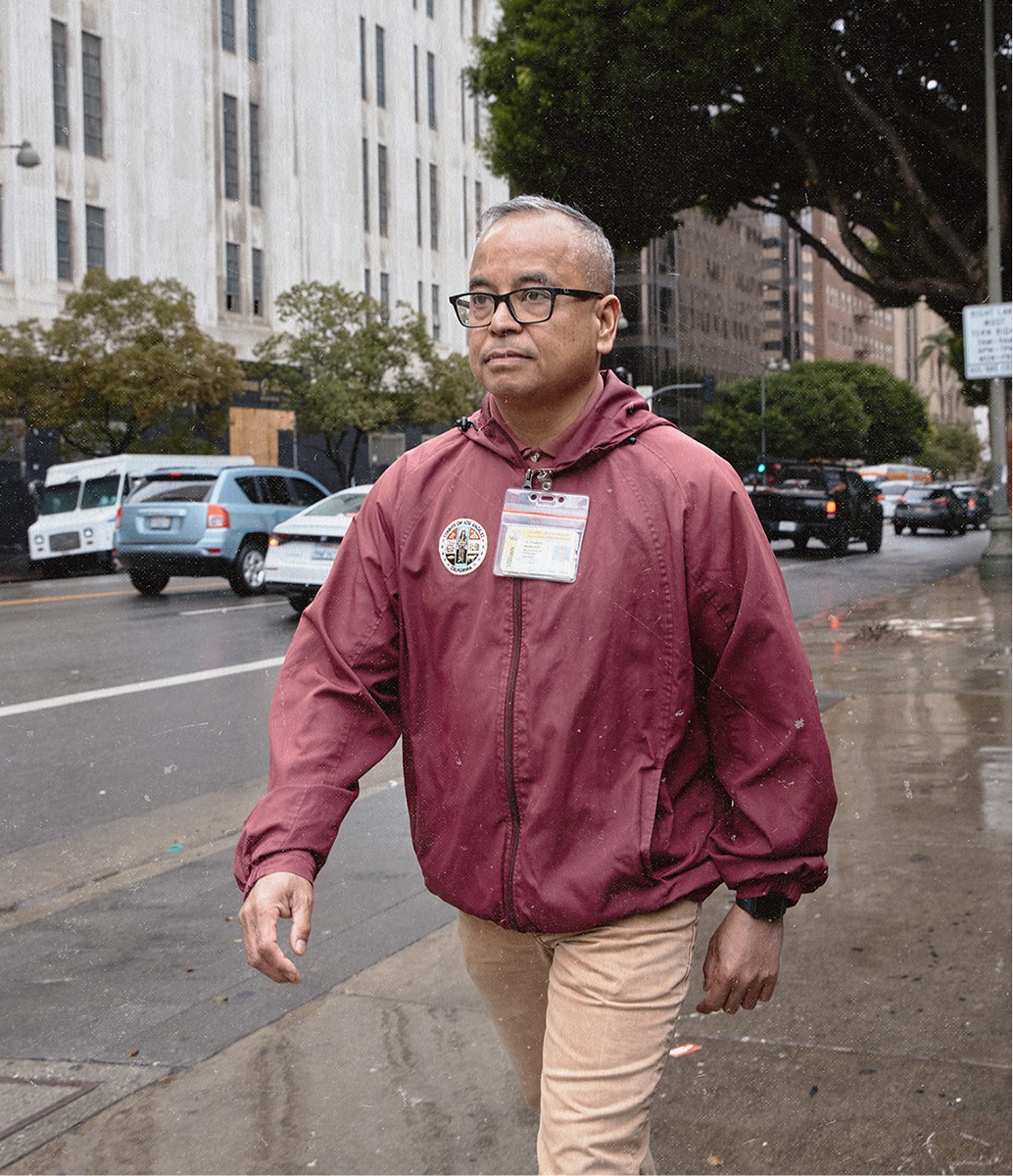
When he immigrated to the US at 15, he had to focus on one thing — building a future. “For first time I could do whatever I wanted with my life,” he says. Today, he works on a mobile street team that brings psychiatry right to where people need it most. When working in the mental health space, he said, “You’re expanding the boundaries of our knowledge and our understanding of existence. This work serves a larger purpose by taking the human race into a better direction.”
Try out some AP science classes in school. Keep an eye out on behavioral science or social science departments when college-hunting.
First up: bachelor’s: (BA or BS). While any major is acceptable, you must complete pre-medical requirements, and pass your MCATs to keep going.
This is where you study to become a medical doctor (MD), but you’ve still got to pass some licensing exams, too.
Learn how to do the work in a residency program and decide what type of psychiatrist you want to be.
More hours, more tests. You’re almost there.
You can work in hospitals, urgent care centers, clinics, or in the field like on LACDMH’s Homeless Outreach & Mobile Engagement (HOME) team with Dr. Rab and a team of street psychiatrists!